Benzodiazepine Addiction Treatment in Tinton Falls, NJ
Benzodiazepines like Xanax, Klonopin, Valium, and Ativan are among the most dangerous drugs to stop abruptly. Archangel Behavioral Health coordinates medically managed tapering and structured outpatient therapy for Monmouth County residents.
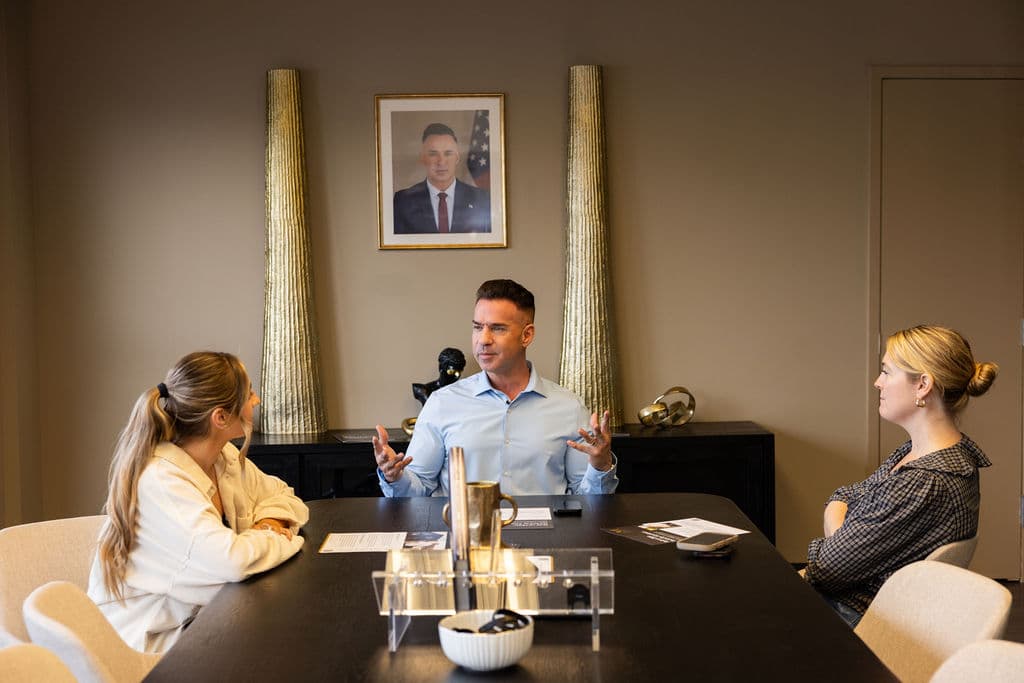
What are benzodiazepines and how does dependence develop?
Benzodiazepines are central nervous system depressants prescribed for anxiety, panic disorder, insomnia, and seizures. Common brand names include Xanax (alprazolam), Klonopin (clonazepam), Valium (diazepam), and Ativan (lorazepam). They work by enhancing the calming neurotransmitter GABA, which is why they are effective in the short term and also why long-term use rewires the brain toward dependence.
Physical dependence can develop in as little as a few weeks of daily use, even when the medication is taken exactly as prescribed. Tolerance builds, higher doses are needed for the same effect, and the brain becomes reliant on the drug to maintain basic balance. Many of the clients we treat in Tinton Falls never intended to misuse anything, they simply followed a prescription and found themselves unable to stop.

Why you should never quit benzodiazepines cold turkey
Like alcohol, benzodiazepines are in a small category of substances whose abrupt withdrawal can be life-threatening. Because these drugs suppress nervous system activity, stopping suddenly leaves the brain in a state of dangerous overexcitation. Grand mal seizures, severe panic, psychosis, and a long, punishing recovery curve are all real risks.
Archangel Behavioral Health never recommends quitting benzodiazepines on your own. We coordinate medically supervised tapering with licensed New Jersey partners, where physicians gradually reduce the dose, often by switching to a longer-acting benzodiazepine first, so the nervous system can recalibrate safely. This careful, slow approach dramatically lowers seizure risk and makes the process tolerable.
- Rebound anxiety and panic, often more intense than the original symptoms
- Insomnia, tremors, sweating, and heightened sensitivity to light and sound
- Seizure risk that can persist for days or weeks during an unmanaged taper
- Protracted withdrawal: lingering anxiety, cognitive fog, and mood instability that can last months

Our levels of care for benzodiazepine addiction
Benzodiazepine recovery is rarely fast, which is why a structured continuum of care matters so much. After a safe medical taper, our clients move through a step-down sequence that keeps support high while gradually rebuilding independence. Placement at each stage follows the ASAM Criteria and is reassessed weekly.
- Supervised tapering coordinated with licensed NJ medical partners
- Partial Hospitalization Program (PHP) for intensive daily structure after the taper
- Intensive Outpatient Program (IOP) with daytime and evening options
- Standard outpatient continuing care for long-term stability
- Dual diagnosis treatment for the underlying anxiety or panic that often drives benzodiazepine use
Treating the anxiety that drives benzodiazepine use
Benzodiazepines are usually prescribed for anxiety, panic, or insomnia, so lasting recovery has to address the condition the drug was masking. If treatment removes the medication but never teaches new ways to manage anxiety, relapse is almost inevitable. Our dual diagnosis approach treats both the dependence and the root psychiatric condition under a single clinical team.
- Cognitive Behavioral Therapy (CBT) to reframe anxious thinking patterns
- Dialectical Behavior Therapy (DBT) skills for distress tolerance and emotion regulation
- Exposure and response work for panic and phobic responses
- Psychiatric evaluation for non-addictive anxiety medications such as SSRIs or buspirone
- Mindfulness, sleep hygiene, and somatic techniques to manage symptoms without sedatives
- Trauma-focused therapy where past trauma underlies chronic anxiety
Does insurance cover benzodiazepine treatment in New Jersey?
Under the federal Mental Health Parity and Addiction Equity Act, carriers such as Aetna, Blue Cross Blue Shield, Cigna, UnitedHealthcare, and Horizon NJ Health must cover substance use and mental health treatment on par with medical care. Taper coordination, PHP, IOP, and outpatient care are billable under most PPO and many HMO plans, and NJ FamilyCare covers medically necessary treatment for eligible residents.
Our admissions team at 44 Apple St STE 3 in Tinton Falls verifies benefits for free and handles prior authorization at no cost. Because benzodiazepine tapers can be lengthy, we work proactively with carriers to authorize the full course of care.
Frequently Asked Questions
Related Programs & Resources
Start Benzodiazepine Treatment at Archangel Behavioral Health
Call our 24/7 admissions team or verify your insurance online. We will coordinate a safe taper and build a recovery plan that treats the anxiety underneath the addiction.
(888) 464-2144Verify Your Insurance